A Scripture Reading App
A Scripture Reading App
How Can We Help the Youth of a Diaspora Engage With Their Endangered Mother Tongue?
How Can We Help the Youth of a Diaspora Engage With Their Endangered Mother Tongue?


Overview
Overview
Overview
The Assyrian Bible Daily is a mobile application that provides scripture readings according to the Assyrian Church calendar, displaying sacred texts in a triform language format. The app aims to make the endangered Neo-Aramaic (Assyrian) language accessible to both younger and older generations in the diaspora.
The Assyrian Bible Daily is a mobile application that provides scripture readings according to the Assyrian Church calendar, displaying sacred texts in a triform language format. The app aims to make the endangered Neo-Aramaic (Assyrian) language accessible to both younger and older generations in the diaspora.
Role
UI/UX Design
Content Architecture & Multilingual Formatting
Custom Tooling
UI/UX Design
Content Architecture & Multilingual Formatting
Custom Tooling
Team
UX/UI Designer (Me)
Software Developer
UX/UI Designer (Me)
Software Developer
Tools
Figma
Jupyter Notebook (Python)
OCR
Figma
Jupyter Notebook (Python)
OCR


Why
The Assyrian language is classified by UNESCO as "definitely endangered" — no longer being learned as a mother tongue by children in the home. Born in the Assyrian diaspora, I grew up illiterate in the language myself, and quickly ran into a severe lack of accessible resources — a handful of outdated videos and a few textbooks, most assuming fluency in the script that many in the diaspora don't have. This project set out to change that — making the method that helped me learn the language available to others facing the same gap.
The Assyrian language is classified by UNESCO as "definitely endangered" — no longer being learned as a mother tongue by children in the home. Born in the Assyrian Diaspora, I grew up illiterate in the language myself, and quickly ran into an extreme undercoverage of accessible resources — a handful of outdated videos and few textbooks, most assuming a fluency in the script that many in the diaspora don't have.
This project set out to change that — by making a method that helped me learn the language available to others facing the same gap.
What
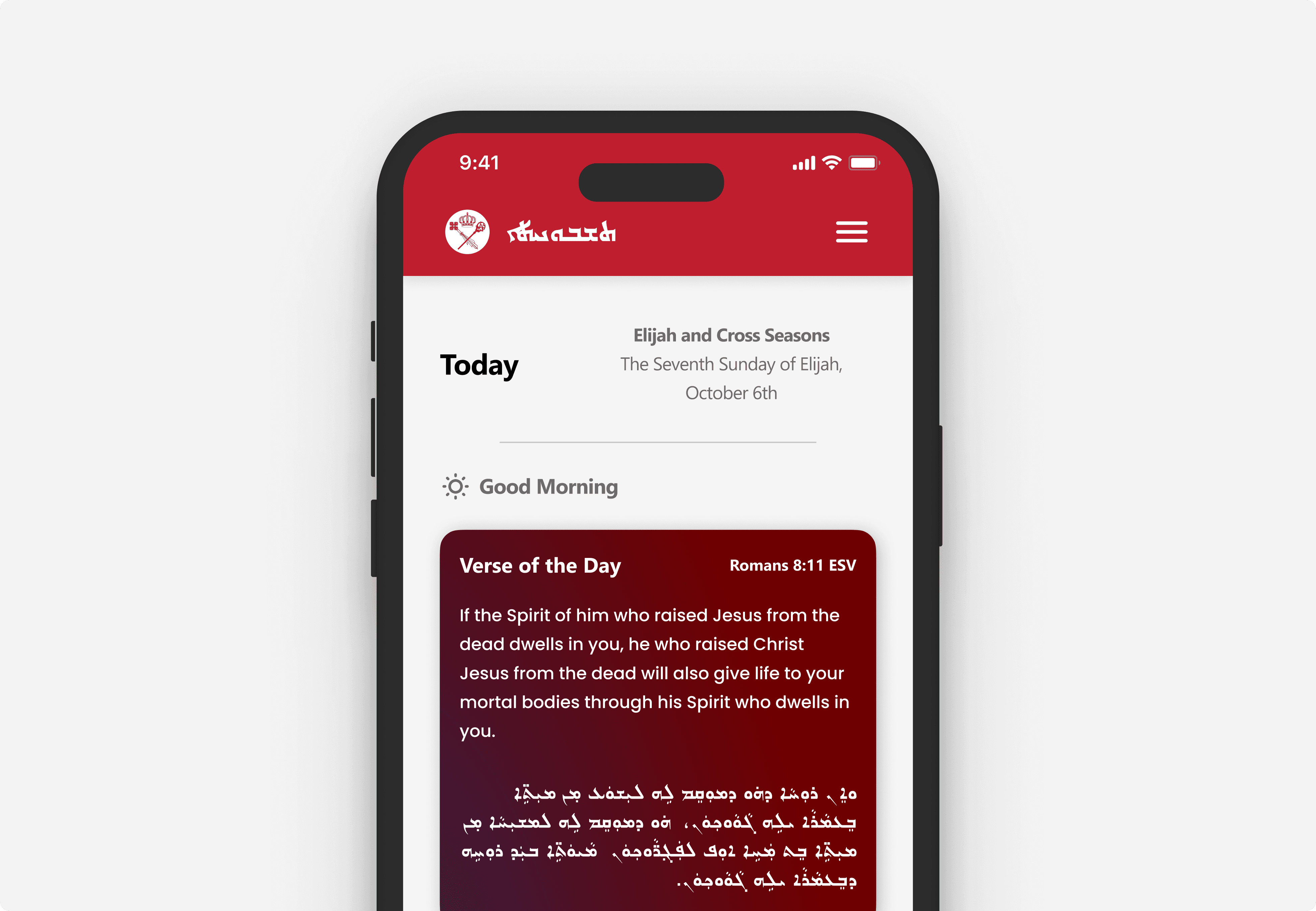
The result is Assyrian Bible Daily — an app that presents scripture readings in three parallel forms: the original Assyrian script, a phonetic transliteration, and an English translation. Reading them side by side lets users sound out unfamiliar words while still following the meaning, helping them grow in literacy with texts they can understand.
The result is Assyrian Bible Daily — an app that presents scripture readings in three parallel forms: the original Assyrian script, a phonetic transliteration, and an English translation. Reading them side by side lets users sound out unfamiliar words while still following the meaning, helping them grow in literacy with texts they can understand.
How
In close collaboration with a software developer, I developed an early mock-up of the triform language mechanism that laid the foundation for the product. This was expanded on through successive iterations, with refinements in design, functionality, and content.
In close collaboration with a software developer, I developed an early mock-up of the triform language mechanism that laid the foundation for the product. This was expanded on through successive iterations, with refinements in design, functionality, and content.
THE CONCEPT
ܫܠܡܐ!
Shlama!
Greetings!
Triform Language Display
Triform Language Display
Triform Language Display
You have a word with foreign characters.
You learn how to pronounce it.
You know what it means.
You have a word with foreign characters.
You learn how to pronounce it.
You know what it means.
You have a word with foreign characters.
You learn how to pronounce it.
You know what it means.
Read and Pronounce
Read and Pronounce
Read and Pronounce
Early mockup of the concept, displaying the language and its phonetic variant side by side.
Early mockup of the concept, displaying the language and its phonetic variant side by side.
Early mockup of the concept, displaying the language and its phonetic variant side by side.


All Within Reach of Two Taps
All Within Reach of Two Taps
All Within Reach of Two Taps
Final Mock-up showcasing the tap functionality to cycle between the languages.
Final Mock-up showcasing the tap functionality to cycle between the languages.
THE CONTENT & SYSTEMS
How to Get the Phonetic Texts?
How to Get the Phonetic Texts?
How to Get the Phonetic Texts?
Here is an excerpt of the code showcasing a map to transliterate the Syriac (Assyrian) characters into their Latin equivalents.
The full transliterator handles diacritics (marks used for vowels), punctuation marks, capitalization of names, and many other grammatical rules.
Here is an excerpt of the code showcasing a map to transliterate the Syriac (Assyrian) characters into their Latin equivalent.
Here is an excerpt of the code showcasing a map to transliterate the Syriac (Assyrian) characters into their Latin equivalent.
The full transliterator functions for: diacritics (marks used for vowels), all punctuation marks, capitalization of names, and many other grammatical rules.
The full transliterator functions for: diacritics (marks used for vowels), all punctuation marks, capitalization of names, and many other grammatical rules.
Try It Out!
Try It Out!
Same Method, Many Times
Same Method, Many Times
The transliterator underwent many iterations before it was finally able to create phonetic versions of all the Bible texts. But once this was done, it was only a matter of repeating the same method for all texts.
Thus I could transliterate a text of any length with the press of a button.
The transliterator underwent many iterations before it was finally able to create phonetic versions of all the Bible texts. But once this was done, it was only a matter of repeating the same method for all texts.
Thus I could transliterate a text of any length with the press of a button.
The transliterator underwent many iterations before it was finally able to create phonetic versions of all the Bible texts. But once this was done, it was only a matter of repeating the same method for all texts.
Thus I could transliterate a text of any length with the press of a button.
Using OCR to Gather Texts
Using OCR to Gather Texts
Unlike the Bible in most other languages, the modern Assyrian Bible is not well documented. While a scanned version of the Bible exists, many books have yet to be digitized, some of which were needed for the readings in the app.
An alternative to retyping them manually is to use Optical Character Recognition in combination with Python.
Unlike the Bible in most other languages, the modern Assyrian Bible is not well documented. While a scanned version of the Bible exists, many books have yet to be digitized, some of which were needed for the readings in the app.
An alternative to retyping them manually is to use Optical Character Recognition in combination with Python.
Unlike the Bible in most other languages, the modern Assyrian Bible is not well documented. While a scanned version of the Bible exists, many books have yet to be digitized, some of which were needed for the readings in the app.
An alternative to retyping them manually is to use Optical Character Recognition in combination with Python.
Original text taken from scanned bible

Traced text using OCR
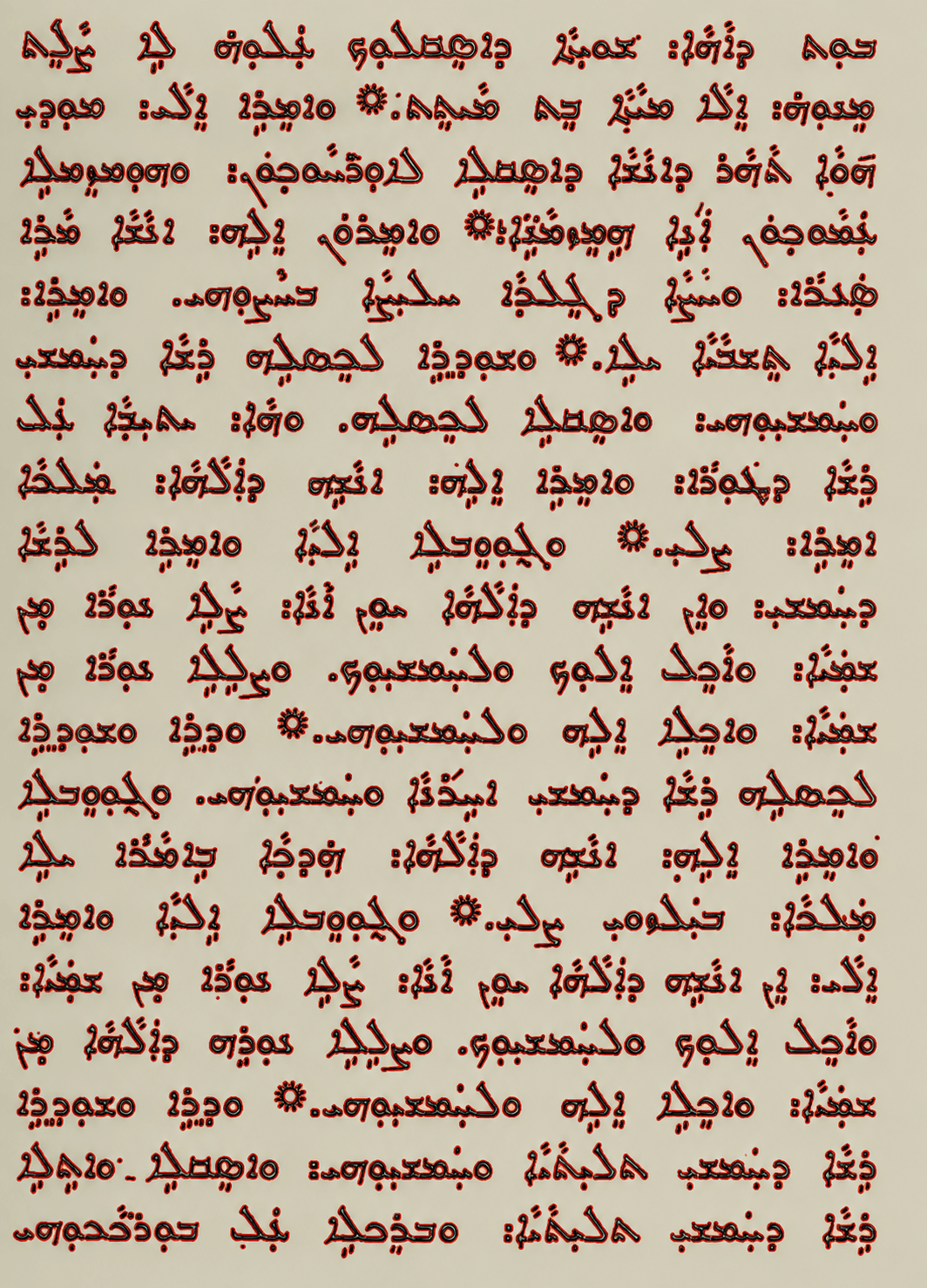
Digitised text, formatted with Python
ܒܘܼܬ ܕܐܵܗܵܐܐ ܫܘܝܼܬܵܐ ܕܐܣܸܒܠܘܼܟ̣̣ ܥܲܠܘܼܗ̇ ܠܐ ܨܠܬ
ܡܸܢܘܼܗ̇ܐ ܐܸܠܵܐ ܡܝܵܬܵܐ ܒܸܬ ܡܿܝܬܸܬ. ܘܐܡܸܪܹܐ ܐܸܠܝ: ܡܘܼܕܝ̣
ܗܵܘܿܐ ܬܵܗܵܪ ܕܐܢܵܫܿܐ ܕܐܣܸܩܠܹܐ ܠܐܘܼܪܵܚܘܒ̣ܘܿܢ ܘܗܘܼܡܙܡܠܹܐ
ܥܲܡܵܘܟ̣ܘܿܢ ܐܲܕܸܐ ܗܸܡܸܙܡܵܢܹܵܐܐ ܘܐܡܸܪܘܿܢ ܐܸܠܹܗܐ ܐܢܵܫّܐ ܡܿܪܹܿܐ
ܣܲܢܬܵܐܐ ܘܚܨܐ ܕܓܸܲܠܕܵܐ ܚܠܝܼܨܵܐ ܒܚ ܨܘܗܝ. ܘܐܡܸܕܹܲܐܐ
ܐܸܠܝ̇ܐ ܬܸܫܖَܵܝܵܐ ܝܠܹܐ. ܘܫܘܼܕܪܹܐ ܠܟܸܣܠܹܗ ܕܲܫܵܐ ܕܚܲܡܫܝܼ
ܘܚܲܡܫܝܼܘܼܗܝܐ ܘܐܣܸܩܠܹܐ ܠܟܸܣܠܹܗ. ܘܗܵܐܐ ܝܬܝܼܒ̣ܵܐ ܥܲܠ
ܪܹܫَܵܐ ܕܛܲܘܼܖܵܐܐ ܘܐܡܸܬܐ ܐܸܠܹܗܐ ܐܢܵܫܹܗ ܕܐܲܠܵܗܵܐܐ ܡܲܠܟܵܐ
ܐܡܕܐ ܨܠܝܼ. ܘܓ̣ܘܼܘܼܒܠܹܐ ܐܸܠܝܵܐ ܘܐܡܸܪ̇ܐ ܠܕܲܫܵܐ
ܕܚܲܡܫܝܼܐ ܘܐܸܢ ܐܪܵܕܹܗ ܕܐܲܠܵܗܵܐ ܚܘ̣ܢ ܐܵܪܵܐ ܨܠܐ ܥܘܼܖܵܐ ܡܲܢ
ܫܡܲܵܐܐ ܘܐܵܟܸܠ ܐܸܠܘܼܟ̣ ܘܠܚܲܡܫܝܼܘܼܟ̣. ܘܨܠܠܹܐ ܥܘܼܖܵܐ ܡܸܢ
ܫܡܲܵܐܐ ܘܐܟܸܠܹܐ ܐܸܠܹܗ ܘܠܚܲܡܫܝܼܘܼܗܝ. ܘܕܪܹܐ ܘܫܘܼܕܪܹ̇ܐ
ܠܟܸܣܠܹܗ ܕܲܫّ̈ܿܐ ܕܚܲܡܫܝܼ ܐܚܸܖܵܪܵܐ ܘܚܲܡܫܝܼܘܼܗܝ. ܘܠ̣ܘܼܘܼܒܠܹܐ
ܘܐܡܸܪܹ̇ܐ ܐܸܠܹܗܐ ܐܐܵܫܹܗ ܕܐܲܠܵܗܵܐܐ ܗܲܕܟܸܵܐ ܒܹܐܡܿܬܵܐ ܝܠܸܐ
ܡܲܠܟܵܐ: ܒܝܲܠܙܘܝܼ ܝܨܠܝܼ.» ܘܓܲܘ̣ܘܸܒܠܹܐ ܐܸܠܝܼܐܐ ܘܐܡܸܪܹ̇ܐ
ܐܠܝܐ ܐܸܢ ܐܢ݇ܐܹܗ ܕܐܲܠܵܗܵܐ ܚܘ̣ܢ ܐܵܢܵܐ ܨܵܠܹܐ ܝܘܼܪܵܐ ܡ̣ܢ ܫܡܲܝܐܐ
ܘܐܵܟܠ ܐܹܠܘܼܟ̣݂ ܘܠܚܲܡܫܝܼܘܼܟ. ܘܨܠܸܠܸܐ ܢܘܼܪܹ̇ܗ ܕܐܲܠܵܗܵܐ ܡܢ
ܫܡܲܵܐ: ܘܐܟܸܠܹܐ ܐܸܠܹܗ ܘܠܚܲܡܫܝܼܘܼܗܝ. ܘܕܪܐ ܘܫܘܼܕܪܹܐ
ܪܹܫܵܐ ܕܚܲܡܫܝܼ ܬܠܝܼܬܵܝܵܐ ܘܚܲܡܫܝܼܘܼܗܝ:ܐ ܘܐܣܸܒܠܹܸܐ ܘܐܬܸܠܹܐ
ܪܹܫܵܐ ܕܚܲܡܫܝܼ ܬܠܝܼܬܵܝܵܐܐ ܘܒܪܸܟܠܹܐ ܥܲܠ ܒܘܼܪ̇ܟܵܟܘܼܗܝ
Using this method on small excerpts and proofreading them one by one (because OCR is not perfect) allowed me to create a Bible database of entire books that were missing, such as books of the Prophets, the Epistles of John, and more.
Using this method on small excerpts and proofreading them one by one (because OCR is not perfect) allowed me to create a Bible database of entire books that were missing, such as books of the Prophets, the Epistles of John, and more.
Using this method on small excerpts and proofreading them one by one (because OCR is not perfect) allowed me to create a Bible database of entire books that were missing, such as books of the Prophets, the Epistles of John, and more.
From Database to Calendar
From Database to Calendar
The diagram below shows how each reading date displays its correct verses. Every verse of the relevant books lives in the Bible database, with each verse stored as a row containing the Assyrian, transliterated, and English text.
Since the readings for a given Sunday or feast day are the same every year, they're grouped into a reading slot — a fixed set of appointed readings for that day. Each slot pulls its texts from the database and is displayed on whichever date that Sunday or feast day falls that year.
The diagram below shows how each reading date displays its correct verses. Every verse of the relevant books lives in the Bible database, with each verse stored as a row containing the Assyrian, transliterated, and English text.
Since the readings for a given Sunday or feast day are the same every year, they're grouped into a reading slot — a fixed set of appointed readings for that day. Each slot pulls its texts from the database and is displayed on whichever date that Sunday or feast day falls that year.
The diagram below shows how each reading date displays its correct verses. Every verse of the relevant books lives in the Bible database, with each verse stored as a row containing the Assyrian, transliterated, and English text.
Since the readings for a given Sunday or feast day are the same every year, they're grouped into a reading slot — a fixed set of appointed readings for that day. Each slot pulls its texts from the database and is displayed on whichever date that Sunday or feast day falls that year.
DESIGN & ACCESSIBILITY
As Easy As It Reads
As Easy As It Reads
Now that the readings are set in the calendar, they must be accessible to the user in a way that's intuitive, simple, and supportive of cross-reading.
The app reflects this through easy cycling between languages, and by keeping verses aligned as you scroll through a passage.
Now that the readings are set in the calendar, they must be accessible to the user in a way that's intuitive, simple, and supportive of cross-reading.
The app reflects this through easy cycling between languages, and by keeping verses aligned as you scroll through a passage.

ܐ
ܐ
ܐ
Understanding Matters
Understanding Matters
Over the past century, Assyrians were forced to migrate across the globe, and the diaspora grew up speaking a second language alongside their own.
To make the Bible readings more understandable, the app supports eight languages from the countries where Assyrian communities are largely present. It also includes three fonts commonly used by Assyrians globally.
Over the past century, Assyrians were forced to migrate across the globe, and the diaspora grew up speaking a second language alongside their own.
To make the Bible readings more understandable, the app supports eight languages from the countries where Assyrian communities are largely present. It also includes three fonts commonly used by Assyrians globally.
Over the past century, Assyrians were forced to migrate across the globe, and the diaspora grew up speaking a second language alongside their own.
To make the Bible readings more understandable, the app supports eight languages from the countries where Assyrian communities are largely present. It also includes three fonts commonly used by Assyrians globally.
Coherency in Languages
Coherency in Languages
Coherency in Languages
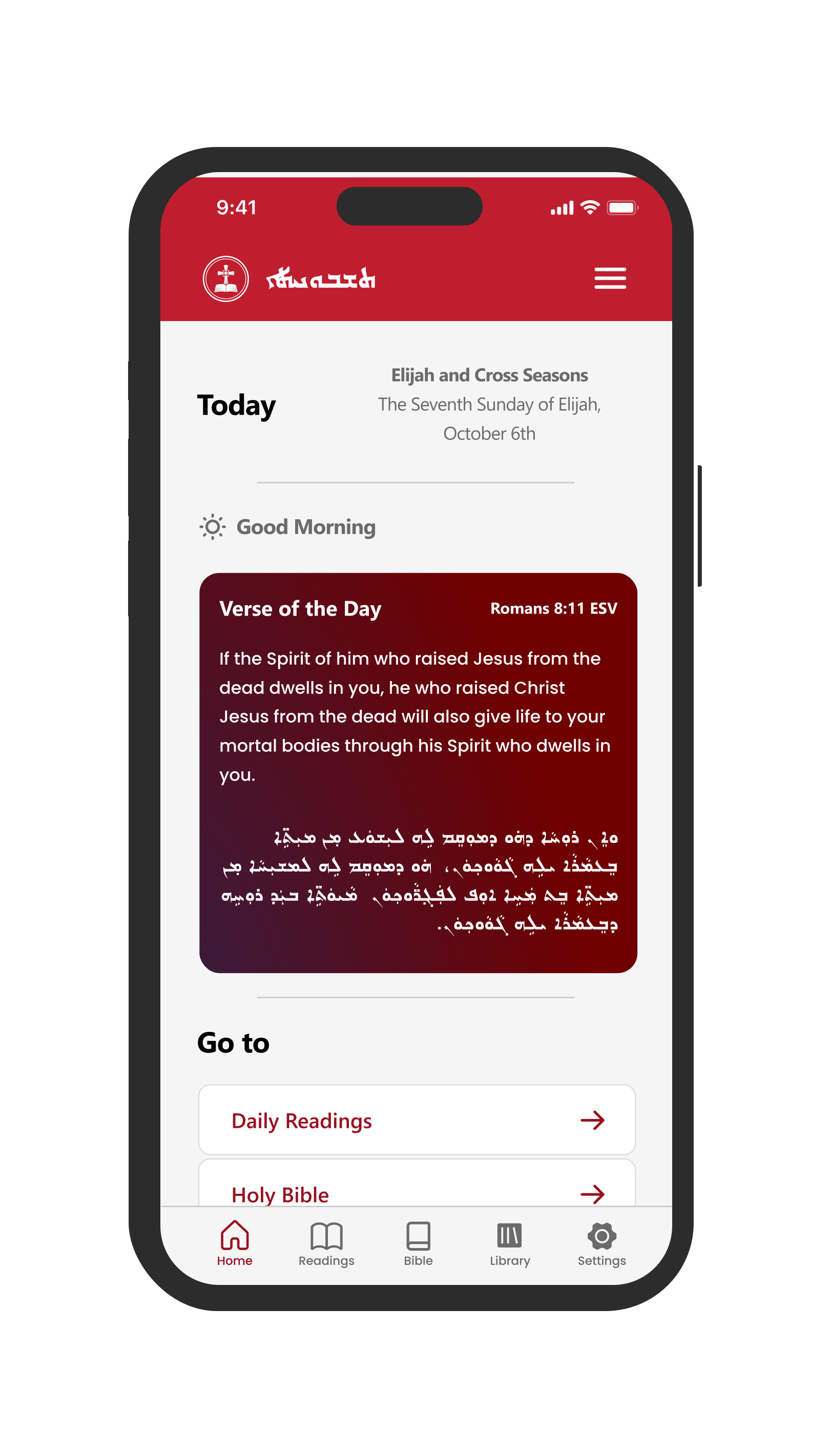
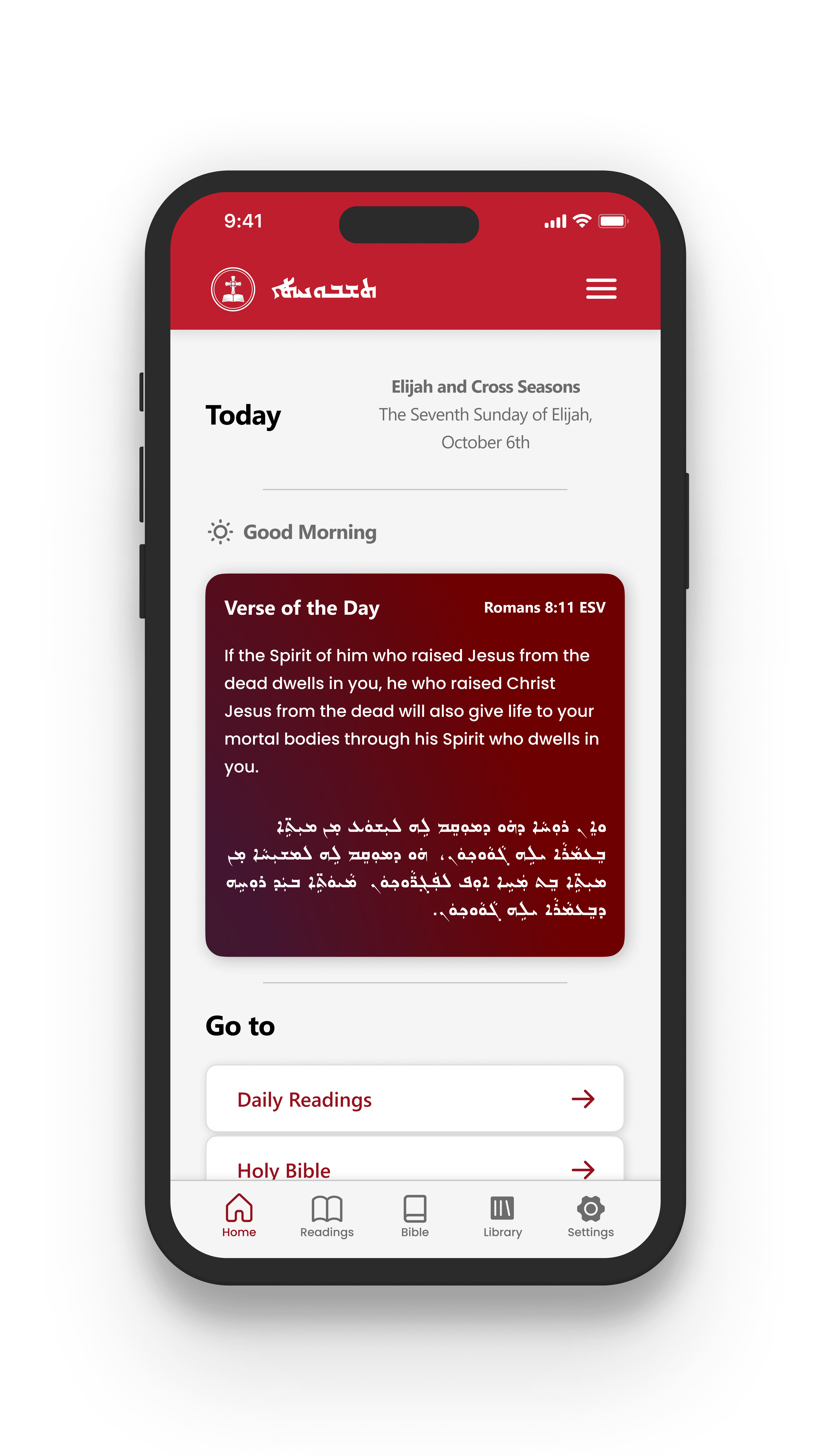
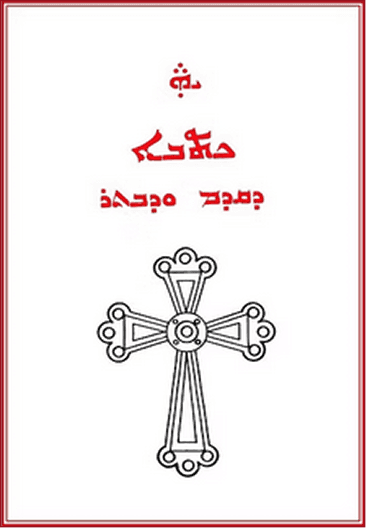
The visual language of this app reflects the ecclesiastical image of the Assyrian Church and the purpose of the app: comfortable and easy reading of the Bible.
Navigation was kept minimal and consistent throughout. Moving between readings, the full Bible, and the library never requires relearning the interface.
The visual language of this app reflects the ecclesiastical image of the Assyrian Church and the purpose of the app: comfortable and easy reading of the Bible.
Navigation was kept minimal and consistent throughout. Moving between readings, the full Bible, and the library never requires relearning the interface.
The visual language of this app reflects the ecclesiastical image of the Assyrian Church, and reflects the purpose of the app: comfortable and easy reading of the Bible.
98101E
98101E
BF1E2E
BF1E2E
6B6B6B
6B6B6B
E3E3E3
E3E3E3
F5F5F5
F5F5F5
Color Palette
Menu Bar Component
Navigation was kept minimal and consistent throughout, so moving between readings, the full Bible, and the library never requires relearning the interface.




REFLECTION
Looking Back…
Looking Back…
I would bring diaspora users in earlier — the project was largely built on my own experience learning the language, which alone couldn't capture how other Assyrians differ: dialects, reading and usage habits of Syriac texts, liturgical involvement, and the features that would actually matter to them. Although the concept itself is really simple, early contact with users could always turn up unexpected findings.
I'd also budget a more realistic timeframe for the technical work — the OCR, the transliteration, and the gathering and formatting of texts all took far longer than expected. Since this was a self-directed side project, there were no hard deadlines. Setting deadlines, however, might have given the project proper space for things like testing and design iteration.
I would bring diaspora users in earlier — the project was largely built on my own experience learning the language, which alone couldn't capture how other Assyrians differ: dialects, reading and usage habits of Syriac texts, liturgical involvement, and the features that would actually matter to them. Although the concept itself is really simple, early contact with users could always turn up unexpected findings.
I'd also budget a more realistic timeframe for the technical work — the OCR, the transliteration, and the gathering and formatting of texts all took far longer than expected. Since this was a self-directed side project, there were no hard deadlines. Setting deadlines, however, might have given the project proper space for things like testing and design iteration.